-
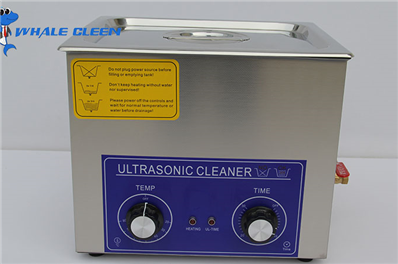 Revolutionizing Cleaning Technology: Intelligent Design in Ultrasonic Cleaning Machines
Ultrasonic cleaning technology has undergone significant advancements in recent years, particularly with the integration of intelligent design features in ultrasonic cleaning machines. The evolution of these machines towards greater intelligence, specific
-
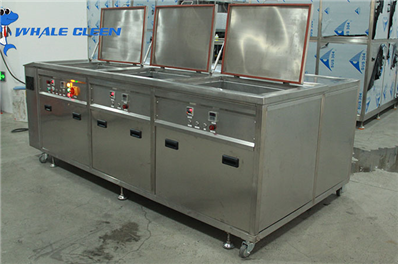 Design Features of Ultrasonic Cleaning Equipment: Enhancing Efficiency and Safety
Ultrasonic cleaning equipment is widely used in various industries for efficient and thorough cleaning. These devices are equipped with several design features that contribute to their effectiveness and versatility. In this article, we will delve into the
-
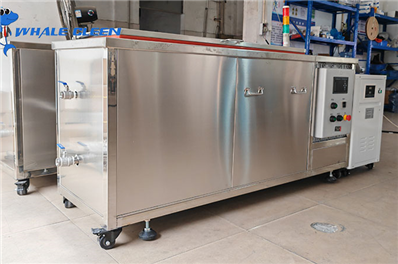 Factors Influencing the Maintenance Cycle of Ultrasonic Cleaning Machines
Determining the optimal maintenance cycle for an ultrasonic cleaning machine is crucial for ensuring its longevity, reliability, and performance. Ultrasonic cleaning machines are utilized across various industries for their ability to efficiently remove c
-
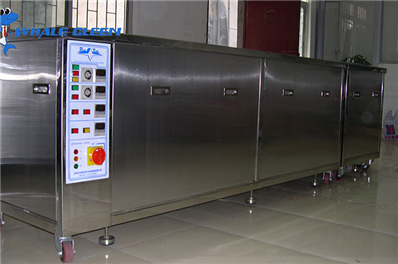 Precision in Operation: Understanding and Optimizing Runtime for Ultrasonic Cleaning Machines
As a seasoned website content operations specialist, I understand the significance of providing comprehensive insights into the operational aspects of ultrasonic cleaning machines, including their optimal runtime durations. Let's delve into this topic
-
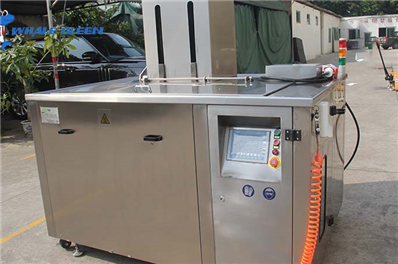 How Ultrasonic Cleaning Reaches the Thread Roots of Micro-Fasteners for Deep Chip and Oil Removal
In precision manufacturing, few challenges are as persistent—or as costly—as cleaning micro-fasteners. Screws, bolts, and threaded inserts with diameters under M2 feature intricate geometries: narrow thread valleys, blind holes, and sharp internal corners
-
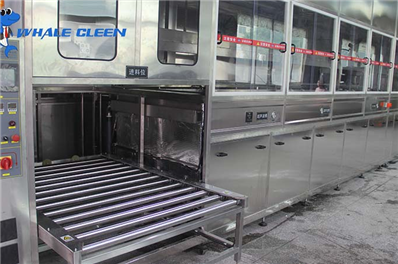 Can One Ultrasonic Cleaning Machine Really Solve Water Stain and Oxidation Problems on Die-Cast Parts?
Walk into any die-casting facility, and you will hear the same frustration from quality control inspectors and production managers alike. Aluminum die-cast parts emerge from the cleaning line looking perfectly clean—only to reveal white spots, cloudy patc
-
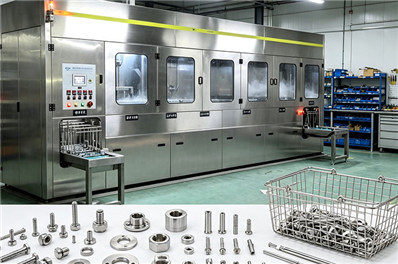 Breaking the Cleaning Bottleneck in Nickel and Gold Plating Lines with Whale cleen Ultrasonic Technology
In high-value surface finishing shops, nickel and gold plating lines demand the highest levels of surface cleanliness. A single fingerprint, a microscopic film of stamping oil, or a speck of polishing compound left on a component will manifest as blisteri
-
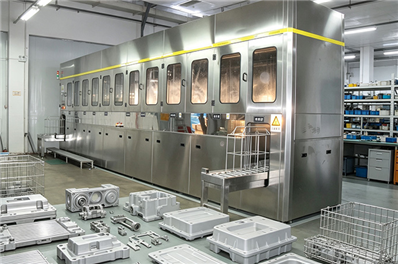 How Many Types of Electroplating Hardware Blanks Can One Ultrasonic Cleaning Machine Handle?
Walk into any hardware electroplating facility, and you will see a staggering variety of workpieces moving through the production line. Stamped brackets, machined housings, threaded fasteners, die-cast components, precision turned parts—each with its own
-
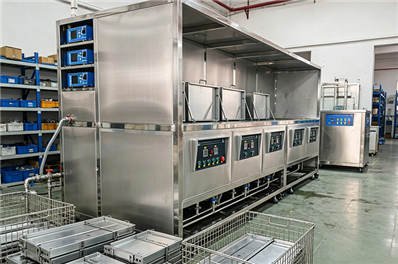 Ultrasonic Cleaning Machine: The Only Way to Eliminate Cutting Oil Sludge from Deep Grooves and Restore Plating Adhesion
For metal finishing shops and precision component manufacturers, few quality failures are as financially devastating as plating rejection caused by inadequate pre-cleaning.The scenario is painfully familiar. A batch of precision-machined components—hydrau
-
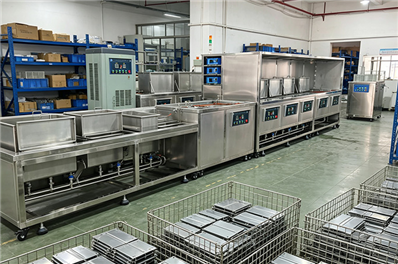 Ultrasonic Cleaning Machine: The Definitive Solution for Rust and Oil Contamination That Spray Cleaning Leaves Behind
In metal parts manufacturing and heavy equipment maintenance, few scenarios are as frustrating—and as costly—as the inspection failure that follows an inadequate cleaning process.The scenario plays out in workshops every day: a batch of precision metal co
-
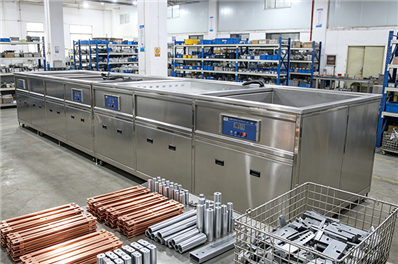 Automotive Parts Cleaning Equipment Manufacturer: Selecting the Right Ultrasonic Cleaning Partner
In the automotive industry, from engine components and transmission parts to braking systems and chassis elements, the cleanliness of parts is directly linked to performance, reliability, and safety. Manufacturing processes like machining, grinding, and s
-
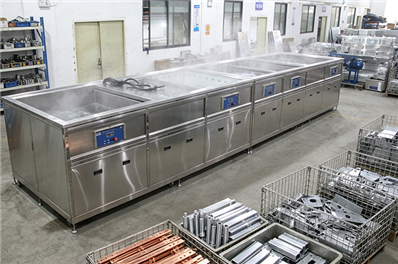 Ultrasonic Cleaning Machine for Shaft Parts: A Specialized Solution for Precision Components
In mechanical manufacturing and heavy industry, shaft parts—such as transmission shafts, motor rotors, hydraulic piston rods, and bearing rollers—are fundamental components that demand the highest standards of cleanliness. These precision-machined parts o